Safe Maintenance & Longevity Tips
Keep your chemical-free water filter performing at its best with proper care, cleaning, and timely replacement schedules.
How to Clean Filters Safely
Activated Carbon Filters
Never use soap or detergents on carbon filters. Rinse gently under cool running water to remove loose particles. Allow to air dry completely before reinstalling.
Important: Carbon filters cannot be cleaned and must be replaced when exhausted. Regular rinsing only helps remove surface debris.
Ceramic Filters
Ceramic filters can be scrubbed gently with a soft brush and clean water. Use a non-abrasive brush to remove surface buildup. Never use harsh chemicals.
Process: Remove filter, scrub surface under running water, rinse thoroughly, and allow to dry completely before reuse.
Filter Housing
Clean housing units with mild soap and warm water. Rinse thoroughly to remove all soap residue. Sanitize with a vinegar solution if needed.
Sanitizing: Use a 50/50 mix of white vinegar and water. Rinse well after sanitizing to prevent any vinegar taste.
Mineral & Stone Filters
Rinse mineral stones under running water to remove sediment. Soak in clean water for 24 hours if needed to restore effectiveness.
Note: Some mineral filters can be recharged by soaking, but always follow manufacturer recommendations.
When to Replace Filter Components
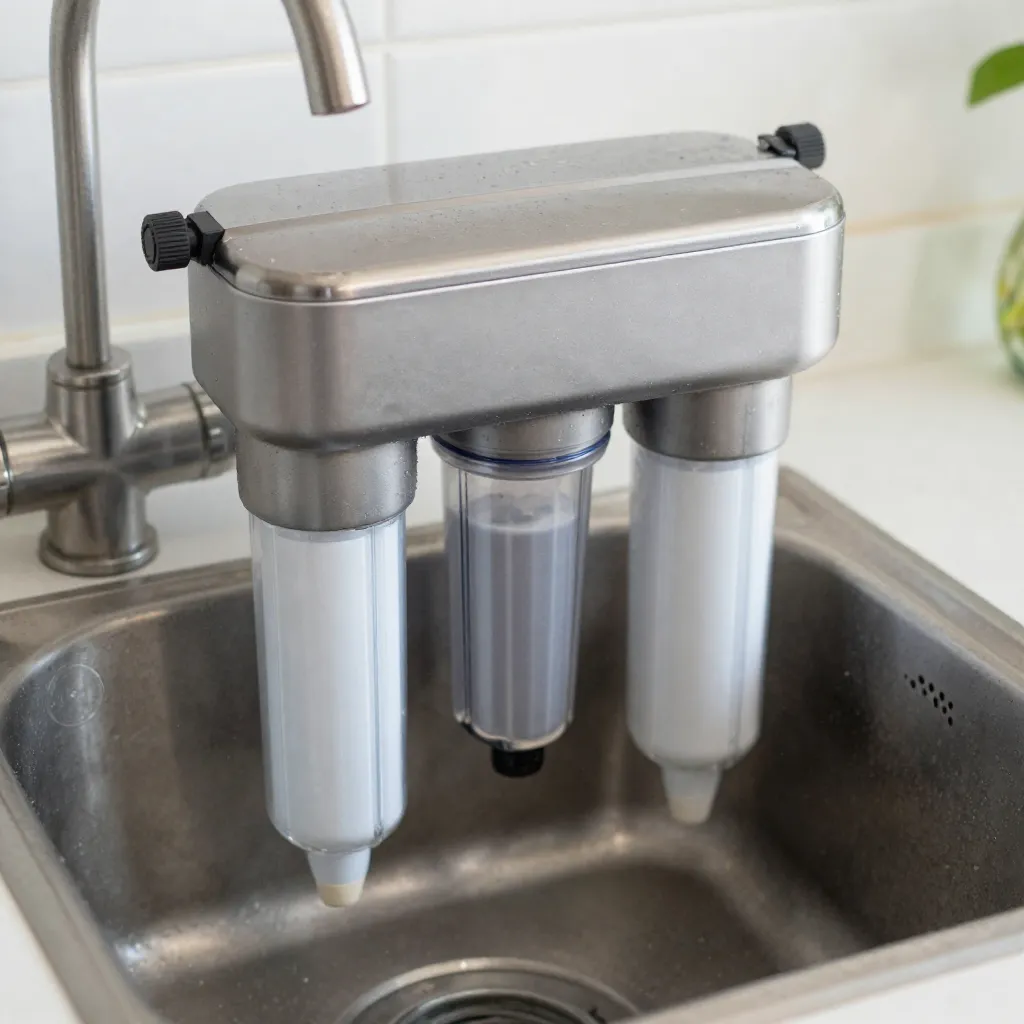
Replacement Indicators
Watch for these signs that your filter needs replacement:
- Water flow rate has decreased significantly
- Water taste has changed or become unpleasant
- Visible discoloration or buildup on filter media
- Filter has been in use beyond recommended timeframe
- Water clarity has diminished
- Unusual odors in filtered water
Filter Lifespan Meter
Track your filter's remaining lifespan based on typical usage:
Your filter is currently at 75% capacity. Plan for replacement within the next month.
How to Store Filters to Avoid Bacterial Growth
Cool, Dry Storage
Store unused filters in a cool, dry place away from direct sunlight. Humidity can promote bacterial growth and degrade filter media.
Original Packaging
Keep filters in their original sealed packaging until ready to use. This protects them from contamination and maintains freshness.
Use Before Date
Check expiration dates on filter packaging. Even unused filters can degrade over time and may become less effective.
Prevent Contamination
Never store filters in areas where they could be exposed to chemicals, cleaning products, or food particles that could contaminate the media.
Eco-Friendly Disposal Tips
Responsible Disposal Methods
Check Local Programs: Many communities offer recycling programs for filter components. Contact your local waste management authority.
Manufacturer Take-Back: Some manufacturers offer take-back programs for used filters. Check with the brand for available options.
Separate Components: If possible, separate plastic housing from filter media. Some materials may be recyclable separately.
Avoid Landfill: While not all filter components are recyclable, proper disposal prevents contamination of soil and water sources.
Compost Natural Materials: Some ceramic and mineral components may be safe for composting, but verify with manufacturer guidelines first.
Troubleshooting Water Taste or Clarity Issues
Cloudy Water
Cause: Air bubbles or sediment buildup
Solution: Run water for 2-3 minutes to flush. If problem persists, check filter installation and consider replacement.
Unpleasant Taste
Cause: Exhausted filter or bacterial growth
Solution: Replace filter immediately. Clean housing thoroughly before installing new filter.
Slow Water Flow
Cause: Clogged filter or installation issue
Solution: Clean filter if reusable, or replace. Check for kinks in tubing or blocked connections.
Strange Odors
Cause: Bacterial contamination or exhausted carbon
Solution: Replace filter and sanitize all components. Ensure proper storage between uses.
Leaks
Cause: Loose connections or damaged seals
Solution: Tighten all connections. Replace O-rings or seals if damaged. Check for cracks in housing.
Reduced Effectiveness
Cause: Filter past replacement date
Solution: Replace filter according to manufacturer schedule. Track usage to determine replacement timing.